 Portland Timbers Hub
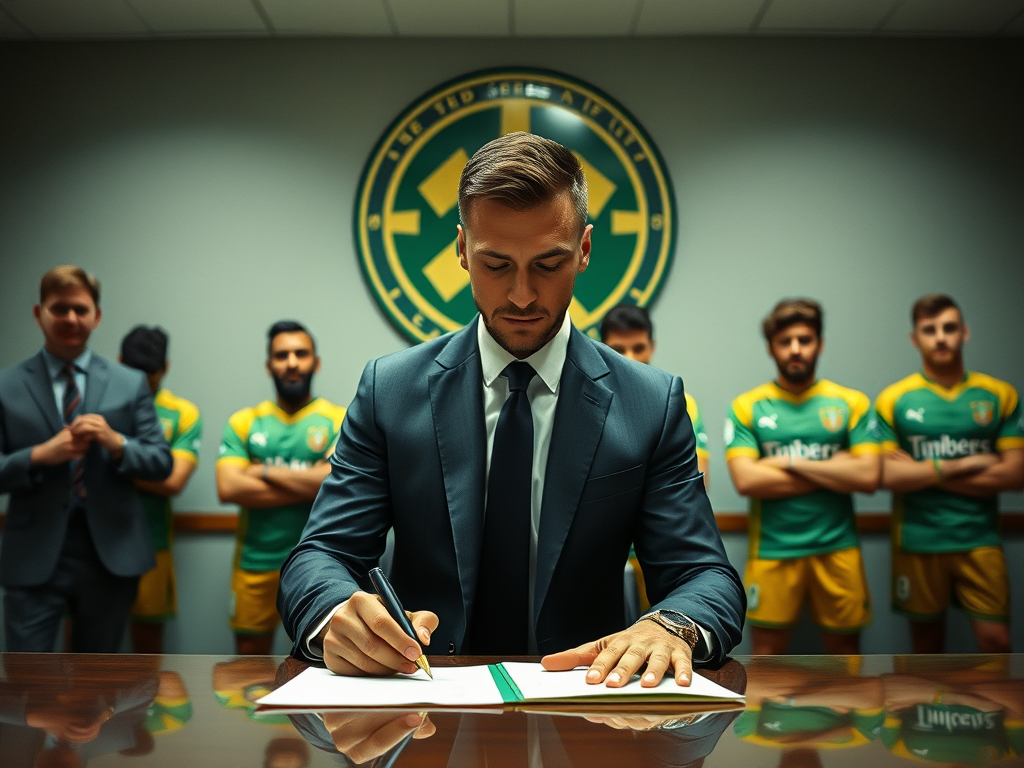
Phil Neville's exit from the role of head coach for the Portland Timbers has sent shockwaves through the fanbase and the League. Announced on 30 October 2023, this decision could reshape the club's trajectory and strategy in the coming weeks. While his tenure was marked by both highs and lows, the underlying question remains: why did it come to this, and where do the Timbers go from here?
A Look at Phil Neville’s Tenure
Phil Neville took over the reins at the Portland Timbers in January 2021, aiming to bring tactical innovation and a fresh approach to the club. Initially, the team showed promise under his leadership, with a solid start in the MLS. However, as the seasons progressed, inconsistencies crept in, leading to a series of disappointing results.
During his time, Neville's tactical setup often revolved around a dynamic midfield and quick transitions. Yet, the team's inability to convert chances into goals became increasingly evident. The Timbers finished the 2023 season with an underwhelming record of 9 wins, 10 draws, and 15 losses, placing them 12th in the Western Conference. This lack of performance ultimately laid the groundwork for his dismissal.
What it Means for Portland Timbers
For fans of the Portland Timbers, Neville's departure signifies more than just a change in leadership. It opens the door for a potential revamp of the squad and a shift in tactical philosophy. The front office now has the opportunity to bring in a coach who aligns more closely with the club’s long-term vision and the expectations of a passionate fanbase.
Moreover, this change could affect player morale and recruitment. A new coach often brings in new ideas and, potentially, new players who fit their style. This scenario could be both exciting and daunting for supporters.
- Opportunity for a fresh start: New leadership could invigorate the team.
- Potential for a tactical overhaul: The club might shift to a more aggressive style.
- Impact on player dynamics: Current players may need to adapt to new systems.
The Search for a Successor
With Neville out, the focus now shifts to finding the right successor. The Timbers need a coach who understands the nuances of Major League Soccer and can build on the club's legacy. Candidates could include established names within the league or rising stars from lower divisions.
The ideal candidate will be someone who not only brings tactical acumen but also resonates with the club's identity. The Timbers Army, the club's dedicated supporters group, has been vocal about their desire for a coach who prioritizes attacking football and values player development.
Fan Reaction and Outlook
Reactions from the fanbase have been mixed following the news of Neville's departure. Some supporters feel relief, believing that a change was necessary to break the cycle of mediocrity. Others, however, voice concerns about the instability that comes with frequent coaching changes.
If you’ve followed the Portland Timbers this season, it’s clear that the passion of the fans runs deep. The Timbers Army has always held the club to a high standard, and their voices will undoubtedly influence the decision-making process in the coming weeks.
The Wider Championship Picture
Neville's exit comes at a time when the MLS is experiencing a shift in competitive balance. Teams like St. Louis City SC and Inter Miami have emerged as formidable opponents, which raises the stakes for the Timbers as they look to rebuild.
The landscape of the league is far from static, and teams that fail to adapt risk falling behind. In this environment, the Portland Timbers must act quickly to ensure they remain competitive.
Critics will argue that frequent coaching changes can lead to an unstable environment, creating confusion among players. Stability is crucial for building a cohesive team, and the Timbers will need to tread carefully to avoid a repeat of past mistakes.
What’s Next
As the Portland Timbers enter this new chapter, fans can expect a period of transition. The front office will likely be hard at work, evaluating potential candidates who can lead the club forward. In the meantime, player contracts and recruitment strategies will also need to be assessed in light of the new managerial direction.
Ultimately, the future of the Timbers hinges on their ability to adapt and evolve. The club has a rich history and a dedicated fanbase that deserves a team capable of competing for trophies. As we look ahead, the question remains: can the Timbers find the right leader to guide them back to prominence in the league?